 Note: Rambling through some old stored documents earlier this year, I came across a college literary journal from my Cornell days, and found in it a poem by a friend from those days, Gabe Spera. I wondered if he was still writing, and an online search quickly turned up that not only was he still writing poetry, he’d published a few books of verse and was alive and well and living in the city of angels. I touched base with him, and we’ve been trading poems back and forth since then. Recently he asked me to write an introduction to his work for publication in a catalog next year. The paragraphs below are the output of that effort. –JSS
There is nothing formal about this world. Our increments of measure can’t parcel pain or characterize a calm moment of love; the most advanced machines can keep us alive but not living. But still we measure. Like no other poet working today, Gabriel Spera happily explores this emotional arrhythmia of life, maintaining a wary lightness while understanding “all we are is what we’ve kept / of what we’ve touched.”
Like the skateboarder in Spera’s poem “Skate Park, Venice Beach” needs a man-made and challenging surface to rise to the occasion, the poet himself builds his work up out of and against gestures to imposing poetic formalism. He does so with an ease of wheel, with the grace and good humored fatalism of the skateboarder in his poem—knowing every great leap ends in gravity, every fall is the starting point of the next ride, that they are frustratingly and joyously entwined. It would be easy to write here that Spera negotiates passage between these opposing forces—the chaotic world and the reassuring rules of language—but that would assume an opposition that’s just another easy formality itself. Not opposing forces but aspects of a singular landscape to navigate, one that is often personal and subjective while subject to all the pitfalls and peaks of the objectively measured world.
For this voyage’s charter he claims those moments of wonder authenticated by difficulty, bringing them down to earth in a self-effacing way that makes us see the feat and not the featured acrobat. It’s the type of poetry that rewards and strikes personal depths without feeling personally confessional.
At heart Gabriel is a nature poet, and nature poets at their best perceive literal truths in ways that resonate without resorting to simile. He writes of “The Decorator Crab”: “He has made a landscape / of himself … / too poor to walk away from all / he’s hauled this far”; in a poem detailing the ravages of battling cancer he notes “though more and more / there was less of him to sacrifice.” You can scan the phrases above a few different ways, find enjambed and entombed pentameters, and it can enhance and color your reading. The formal qualities are not the trick, just the ramp’s angle that launches a message connected to nothing but the wild air itself, and your own reader’s ear.
There is nothing formal about this world. The seasons don’t care for the solstice, nor the trains for timetables. So how do we trust this verse that comes to us with the reliability of the metronome ticking out a time we can never quite keep in rhythm with as we pluck out the notes of our days on these imperfect instruments we are still learning to be? Because it’s more than a sound we set our clocks by. Gabriel Spera’s poetry runs the ragged banner of being up the flagpole of language and because of that we can see more clearly those things we’d give our life for.

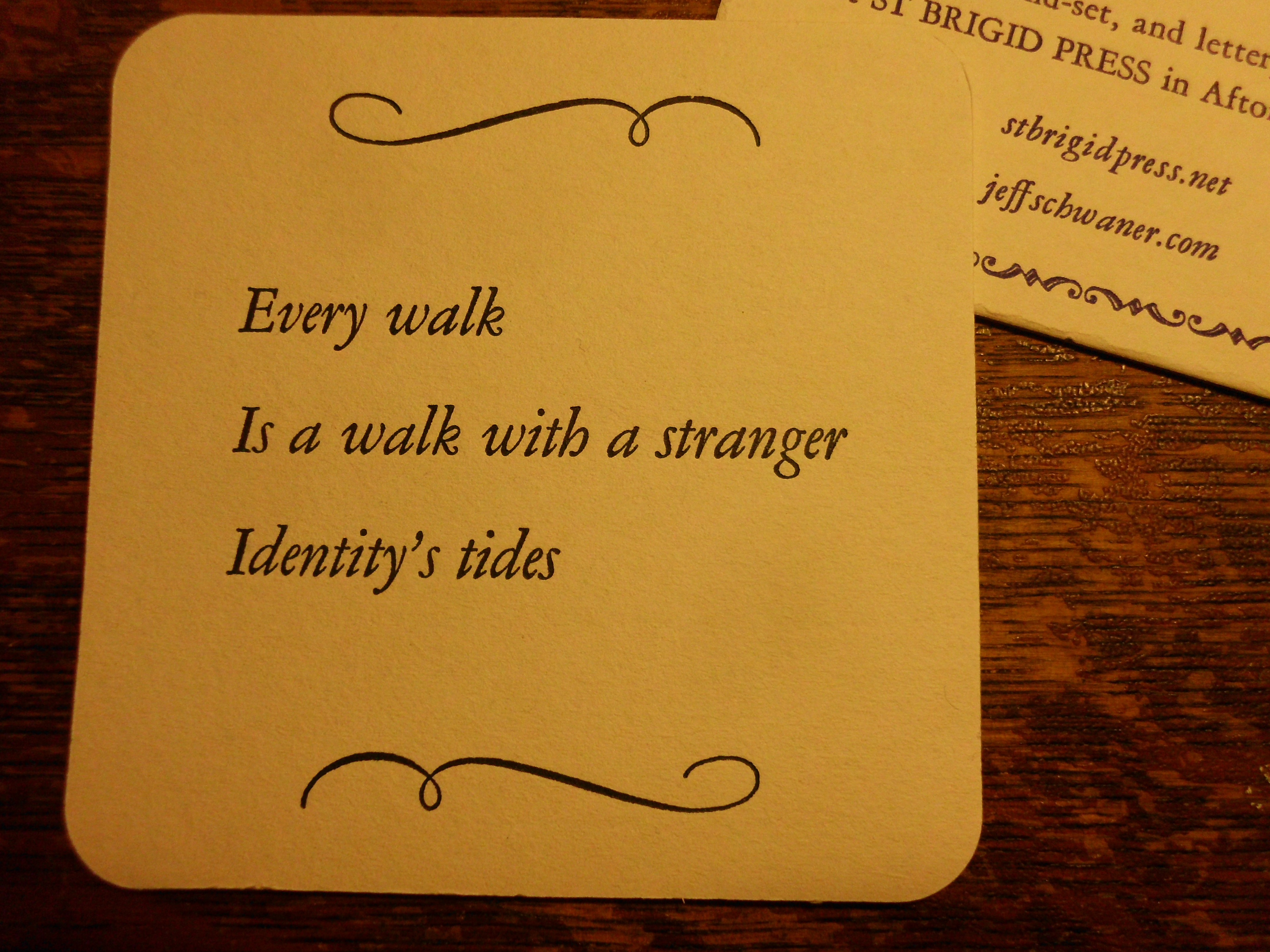

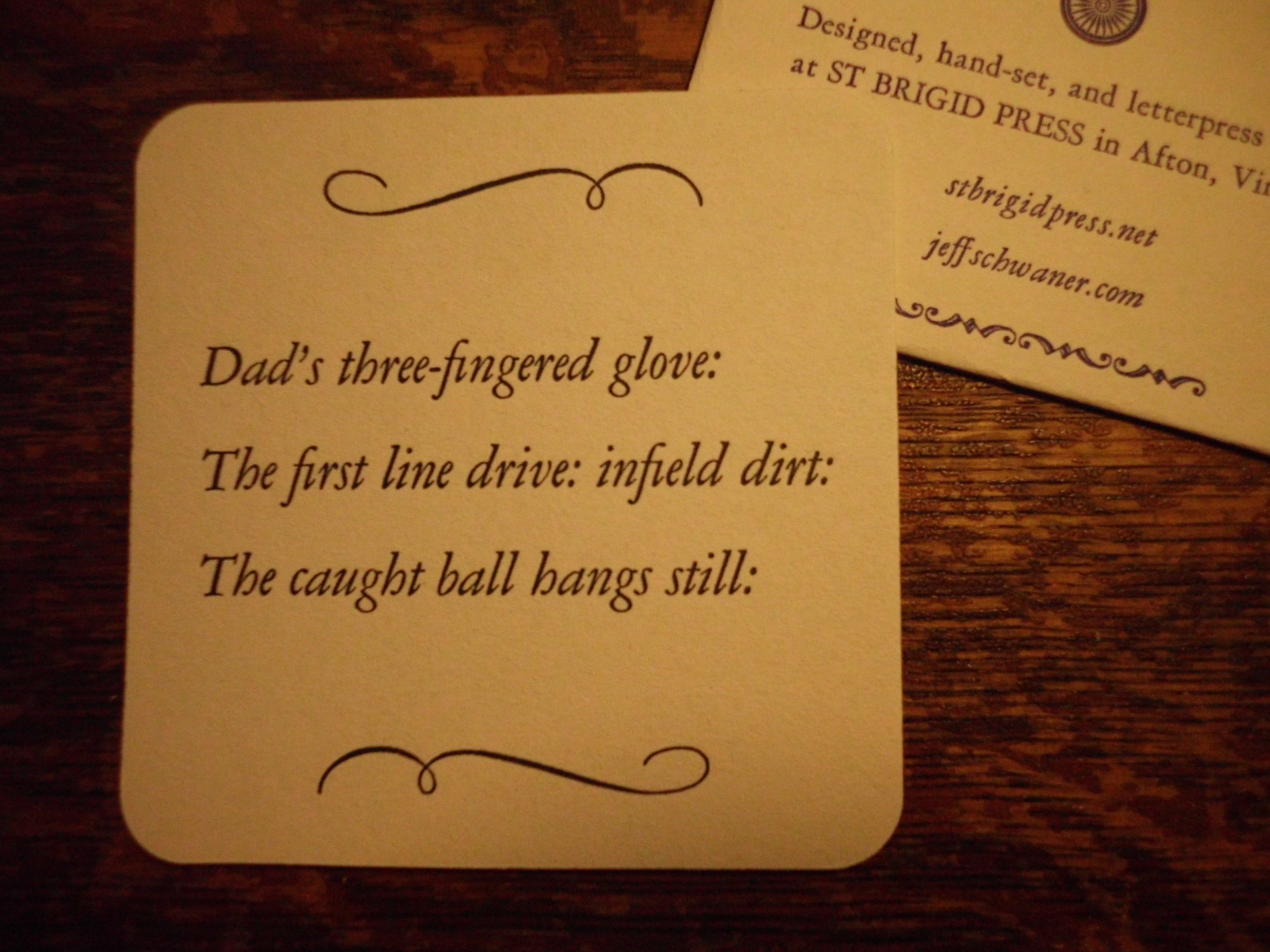


 Translations from the English